
A September 2026 EAT decision and a reported £76 million claim show how workplace processes themselves can become barriers for disabled employees, and what to do about it.
Most people who tell us they are disabled at work do not say they were refused help. They say nobody asked. The paperwork arrived, the meeting was called, and the process carried on as though everyone could read, absorb and respond in the same way. A September 2026 Employment Appeal Tribunal decision shows how that quiet failure becomes unlawful, and where claimants and employers can both go wrong in arguing it.
The case in brief
In NSL Ltd v Bean [2026] EAT 132 (15 September 2026, HHJ Tucker, case EA-2023-001459-AS), Mr Bean was a Civil Enforcement Officer with severe dyslexia and a clean record, employed since 2007 and transferred to NSL under TUPE in 2017. NSL accepted it knew of his disability from the outset. In 2019 he was dismissed for gross misconduct after NSL concluded he had falsely logged his whereabouts for about twenty minutes, relying on GPS data from a handheld device that had crashed and rebooted four times that morning.
The Reading Employment Tribunal found the following:
- He had been unfairly dismissed, but the compensatory award was reduced by 100 per cent because dismissal was inevitable on the misconduct found. The basic award was not reduced.
- He was told to read and sign handwritten investigation notes at the end of meetings. He could not read them and signed so that he could leave.
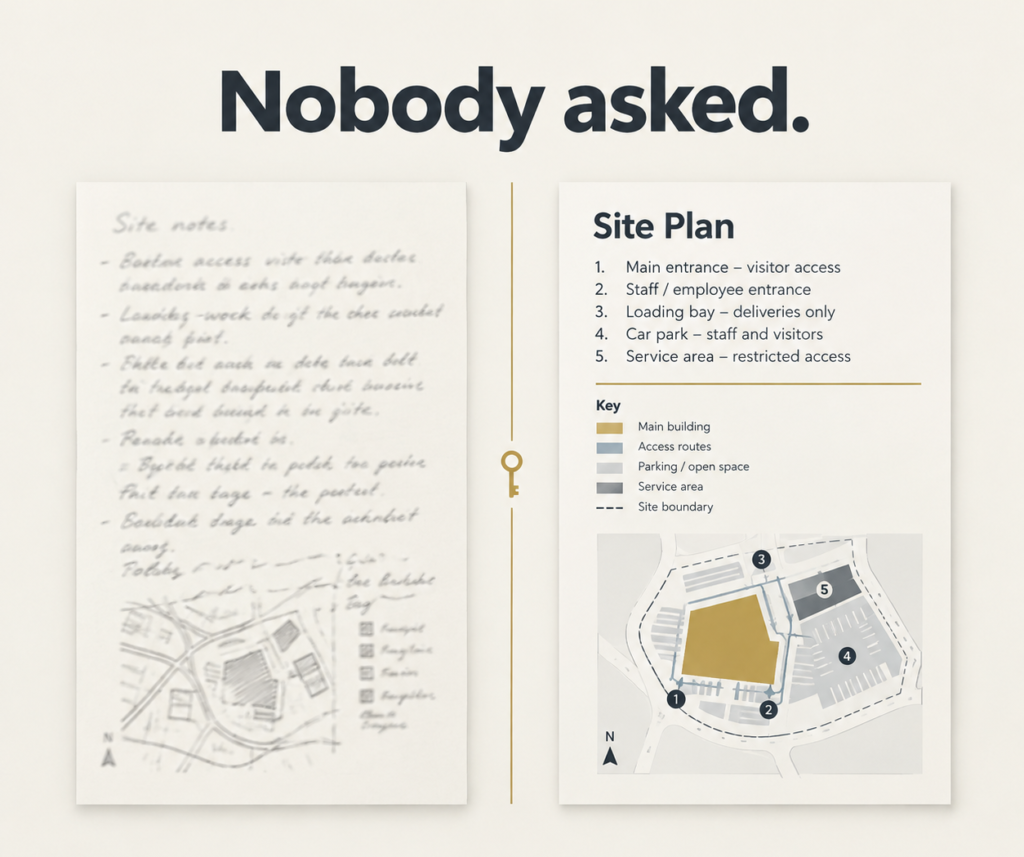
- The disciplinary pack contained GPS screenshots in black and white, without a key, which the Tribunal found incomprehensible without explanation.
- NSL had failed to make reasonable adjustments and had harassed him.
What the EAT decided
The EAT dismissed NSL’s appeal on unfair dismissal. Read as a whole, the Tribunal had found that unclear allegations and inaccessible technical evidence made the dismissal unfair despite the appeal (paras 74 to 75). The finding that NSL failed to make reasonable adjustments also stood. Allowing the claimant to take the notes away before signing was a sufficiently identified step, and the EAT stressed that the duty to make the adjustment is on the employer, not the employee (para 87). NSL had not explored how his dyslexia might affect a disciplinary process because he performed well day to day. The EAT said that did not absolve it of that responsibility.
The appeal succeeded on indirect discrimination and harassment. The Tribunal had decided the section 19 and section 20 Equality Act 2010 claims together, had not analysed group disadvantage, and had treated consistency as incapable of being a legitimate aim. On harassment, it had not explained how the conduct was “related to” disability or made the findings section 26(4) requires. Disposal was reserved pending written submissions, so this is not the end of the matter.
Four barriers worth naming
1. Knowledge without enquiry. Employers often know of a condition and assume that because someone copes with the job, they will cope with a disciplinary. Allegations, evidence and meetings are different tasks with different demands.
2. Inaccessible information. Section 20(6) of the Equality Act 2010 provides that where the duty relates to the provision of information, reasonable steps include ensuring it is provided in an accessible format. A colour-coded map printed in black and white, with no key, is a practical example of what that provision exists to prevent.
3. Putting the burden on the employee. Mr Bean did not ask to take the notes away. The duty is the employer’s. People under acute stress, as most people facing dismissal are, rarely know what to ask for.
4. Treating disability-linked conduct as pure misconduct. In both Bean and the claim discussed below, the conduct that triggered the process had a connection to the person’s condition. In Bean, it was a reading difficulty meeting a signing practice. In the Burns report, the tribunal accepted that ADHD played a part in events leading to dismissal. A fair process asks early whether the behaviour complained of is connected to a disability, because section 15 of the Equality Act 2010 addresses unfavourable treatment because of something arising in consequence of disability.
A lesson for claimants
The EAT was clear that indirect discrimination and reasonable adjustments are distinct causes of action. Section 19 requires group and individual disadvantage and justification. Section 20 looks at the individual’s substantial disadvantage and what steps were reasonable. Pleading them as one blur invites error. A precisely framed provision, criterion or practice, and a precisely identified adjustment, are what withstand scrutiny (see HM Prison Service v Johnson [2007] IRLR 591, cited at para 65).
A wider signal: when the claim is measured in tens of millions
Scottish Legal News reported on 25 September 2026 that a technology executive, Shannon Burns, is seeking £76 million from her former employer, Gitpod, in what the report calls potentially the largest employment tribunal award in British history. The largest known award to date is reported as £4.58 million.
The reported procedural position matters, and it is easy to overstate. The Birmingham Employment Tribunal had already found that Ms Burns’s disabilities, including ADHD, contributed to her dismissal and that she was discriminated against. Judge Wedderspoon refused the employer’s application to cap potential damages at £1 million. She accepted that the sum sought was highly unusual, but held it was too early to say the valuation had little reasonable prospect of success. Damages are yet to be decided at a further hearing, and the employer has an appeal pending against the original ruling. The £76 million is therefore a claim, not an award.
The reason a figure like this can be advanced at all is structural. Compensation for unfair dismissal is capped (Employment Rights Act 1996, s 124). Compensation for discrimination under the Equality Act 2010 is not. Where loss of earnings, bonus, equity and a career cut short can all be pleaded, disability discrimination claims carry a different order of exposure from ordinary dismissal cases. Employers who treat disability-related conduct as a routine misconduct matter take a risk that goes well beyond a procedural error.
What this means if you are facing a process now
- Tell your employer in writing how your condition affects reading, processing, attending or responding, and name the adjustments you want.
- Ask for documents and evidence in a form you can use, and for time to review notes before you sign anything.
- Remember that the statutory right to be accompanied under section 10 of the Employment Relations Act 1999 applies to disciplinary and appeal hearings. Under paragraph 7 of the ACAS Code of Practice (2015) there is no statutory right at an investigatory meeting, although an employer’s own procedure may allow one and a reasonable adjustment may require it.
- Keep your own dated record of what you asked for and what you were given.
If you are in this position and want a clear view of where your employer’s process stands against the ACAS Code, you are welcome to book a free 15-minute consultation.
Every case turns on its own facts. These decisions and reports do not indicate how any other matter will be decided, and an EAT ruling with disposal outstanding, or a claim awaiting a damages hearing, is a statement of principle or position, not a final outcome.
Sources: NSL Ltd v Bean [2026] EAT 132 (GOV.UK EAT decisions, 15 September 2026); “Sacked tech exec brings record £76m discrimination claim”, Scottish Legal News, 25 September 2026; ACAS Code of Practice on disciplinary and grievance procedures (2015); Equality Act 2010, ss 15, 19, 20, 26; Employment Rights Act 1996, s 124; Employment Relations Act 1999, s 10.
Shakil Dixon
Founder and Principal Representative, Zhan Associates